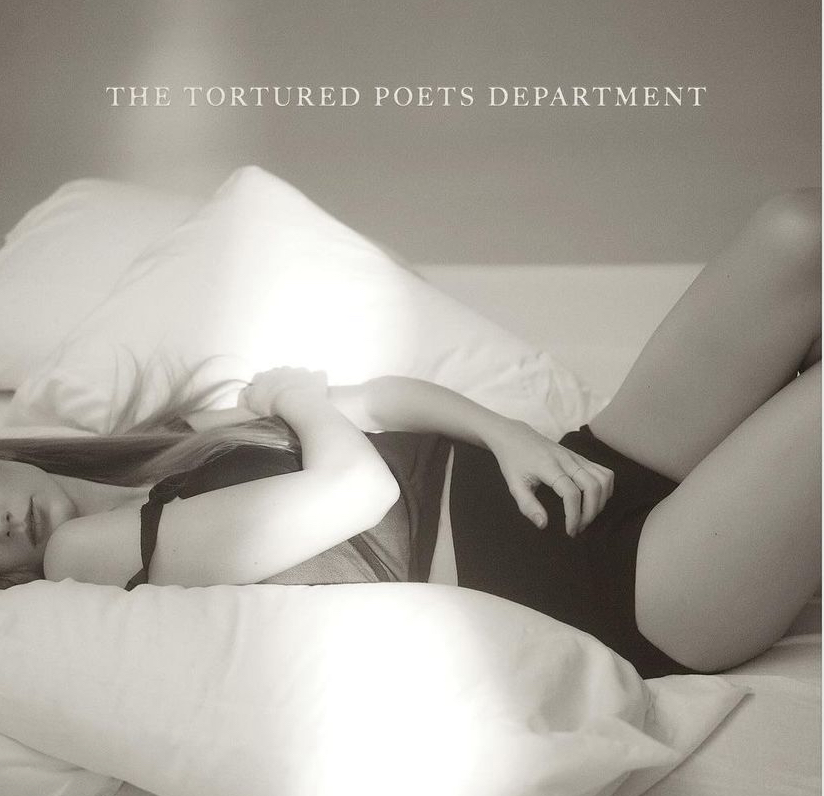
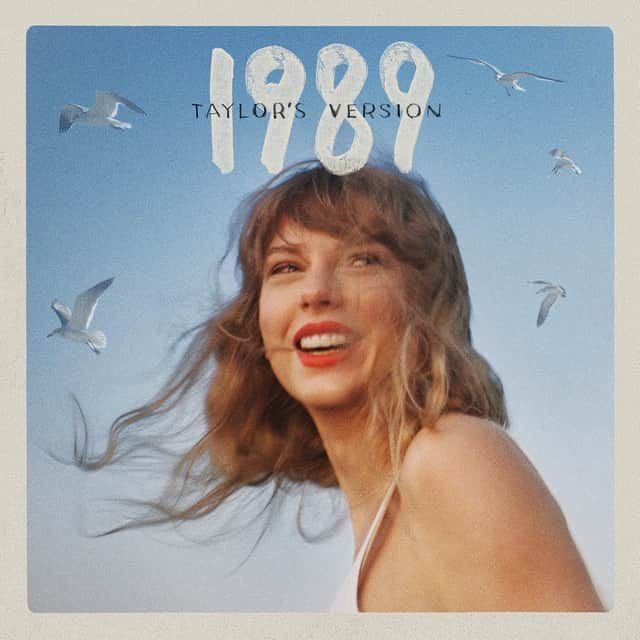
When we think of “modern” music, the first names that come to mind are the likes of Taylor Swift, Drake, Sabrina Carpenter, and maybe even Benson Boone. Much of today’s mainstream pop leans on a formula of repeated chord progressions, overly-compressed mixing, and shortened song lengths designed for TikTok’s quick attention spans. This wave of “TikTok music” has come to define what many consider modern music.
Yet beneath the surface lies a much richer world, one flush with experimentation, lush instrumentation, and music that resists the limitations of genre.
So how did this “world” come to be? A good starting point is with the band you’ve definitely heard of: The Beatles. With records that turned tradition upside down, they laid the foundation for today’s art-rock and indie scenes. Their 1966 album Revolver is especially striking for its bold experimentation, blending rock, Indian & classical influences, orchestral arrangements, and pioneering psychedelic sounds.
Later bands built directly on this groundwork, with Pink Floyd’s The Dark Side of the Moon expanded sonic layering and production, while The Velvet Underground & Nico pushed avant-garde sensibilities. Together, these albums helped establish “art rock,” a genre that would shape generations to come.
No band embodies this legacy of reinvention more than Radiohead. Rising in the ’90s, they became the blueprint for unpredictability. They constantly reinvented themselves, tackling forward-looking themes, and refusing to be boxed into one sound. OK Computer is often claimed to be one of the greatest albums ever made, pairing existential questions about technology (especially relevant today with the uncertainty around the rise of AI) with a sound that redefined rock.
Kid A pivoted toward electronic experimentation, inspiring an entirely new wave of artists across indie, hip-hop, and even classical spheres. Today, artists from Kanye West to Phoebe Bridgers to Coldplay cite Radiohead as a central influence.
So who carries the torch now? One band to watch is Black Country, New Road (BCNR). Their debut For the First Time and follow-up Ants From Up There earned acclaim (debuted at #4 in the UK Album Charts) for intricate instrumentation—with saxophone, strings, and spoken-word vocals forming a sound that feels both fragile and overwhelming.
After frontman Isaac Wood’s departure in 2022, the band rebranded themselves with Forever Howlong, a more art-pop direction led by three rotating female vocalists, but with the same rich instrumentation and cinematic flair.
Another is Quadeca, a former YouTube star turned producer and artist. Known for his experimentation, versatility, and maximalist production, he’s built a passionate fanbase and critical respect. His 2022 album I Didn’t Mean to Haunt You tells a ghost’s story from the afterlife, while his 2025 record Vanisher, Horizon Scraper follows an inevitably-doomed sailor endlessly chasing the horizon.
Combining folk, hip-hop, indie, and rock, his work has drawn attention from Pitchfork and renowned music reviewer Anthony Fantano, cementing him as one of today’s most inventive voices. The final track even features Maruja, an up-and-coming heavy rock band inspired by BCNR who’s recent debut Pain To Power charted in the UK & Scotland.
Other notable names include Novo Amor and Racing Mount Pleasant, who both dive into indie-folk while weaving in heavier textures.
In the end, the story of modern music is more than what dominates TikTok or the Billboard charts. While mainstream pop thrives on accessibility and virality, some of the most exciting artistry today lies just beneath the surface, where musicians push boundaries, reinvent genres, and may as well be creating the true classics of our time.