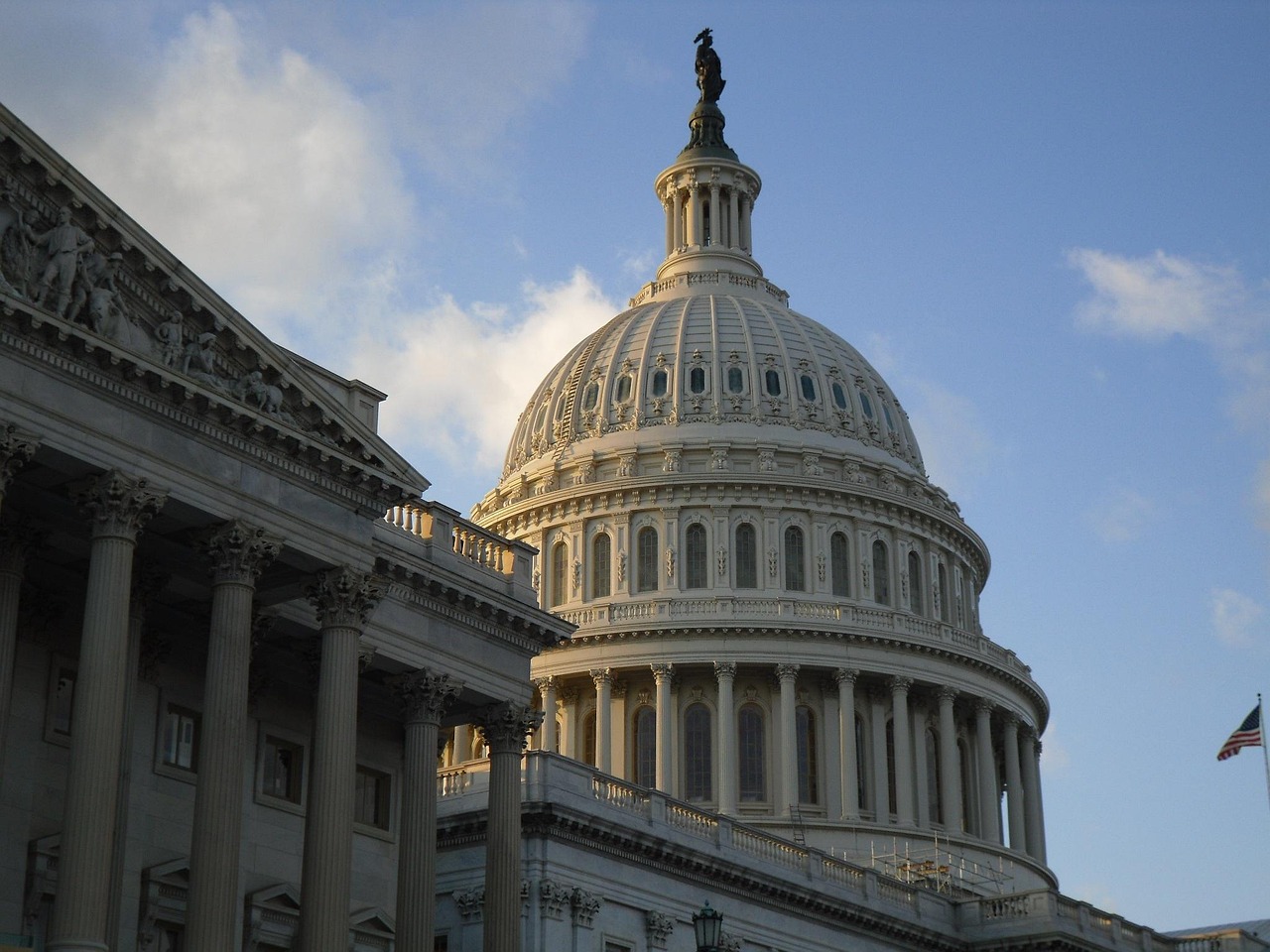
As the government shutdown continues, its effects are reaching families in the Glenbard West community. This federal stalemate doesn’t just impact government operations—it also has real consequences for Americans nationwide. So why should we care if it seems to have no effect on us? Because it does—just often in ways we fail to recognize. This article explains why the government shut down, the events that led to it, and how millions of Americans are being affected both directly and indirectly.
On Oct. 1, 2025, the U.S. federal government officially shut down after Congress failed to agree on funding for the new fiscal year. The shutdown occurred primarily because lawmakers could not reach a deal on key programs, particularly healthcare subsidies under the Affordable Care Act (ACA).
The ACA, passed in 2010, is designed to make healthcare more affordable and accessible, helping people buy insurance through marketplaces, expanding Medicaid for low-income families, and providing subsidies to reduce costs. It also requires insurance companies to cover pre-existing conditions and basic health services.
The political standoff centered on these subsidies: Republicans in the House proposed a short-term funding bill but demanded cuts or delays to the ACA subsidies, while Democrats in the Senate insisted that funding continue, arguing that millions of Americans would face higher healthcare costs without subsidies.
Neither side would compromise, and without an agreement, critical programs could not be funded—triggering the shutdown.
The Trump administration has also played a role in deepening the crisis. Through executive actions and unilateral funding decisions, the White House has exerted more control over federal programs, bypassing Congress in ways that critics warn could reshape spending priorities and federal oversight.
These actions, according to multiple reports, limited Congress’s control over federal allocations and fueled further partisan gridlock. Legal experts argue that this expansion of executive power has complicated negotiations and blurred the traditional checks and balances that guide federal budgeting.
The impact is widespread. Thousands of federal employees—including air-traffic controllers, TSA agents, and other workers who are paid by the federal government—are working without pay or have been furloughed: temporarily out of work without pay.
Programs that support low-income families, small-business grants, housing assistance, and childcare services are delayed or frozen. Indirectly, the shutdown also slows economic growth, creates uncertainty in financial markets, and disrupts services that millions of Americans depend on every day.
Federal workers—such as postal workers or IRS employees—are experiencing delayed paychecks due to the ongoing government shutdown. While the issue affects federal employees nationwide, local communities such as Glen Ellyn are beginning to feel the impact, as some residents who work for or rely on these federal services face financial uncertainty.
Food pantries and community organizations that rely on federal support have reported funding slowdowns, forcing them to reduce services. For example, Glen House Food Pantry in Glen Ellyn, which distributes fresh produce, meat, dairy, and shelf-stable goods to hundreds of local residents each week, has faced tighter budgets and reduced supplies, limiting the number of clients they can serve per the Glen Ellyn Good Pantry Newsletter (November 2025).
Local health care providers are also experiencing delays in Medicaid reimbursements because of federal payment freezes, putting extra strain on clinics that serve low-income residents. According to WTTW, area clinics that rely on these reimbursements have had to scale back non-urgent care and stretch already limited resources.
Wednesday marks day 43 of the government shutdown, now the longest in U.S. history.
For students and staff at Glenbard West, it’s a reminder that national politics don’t just play out in Washington—they ripple through the classrooms and communities around us and affect the people right in our hometown.