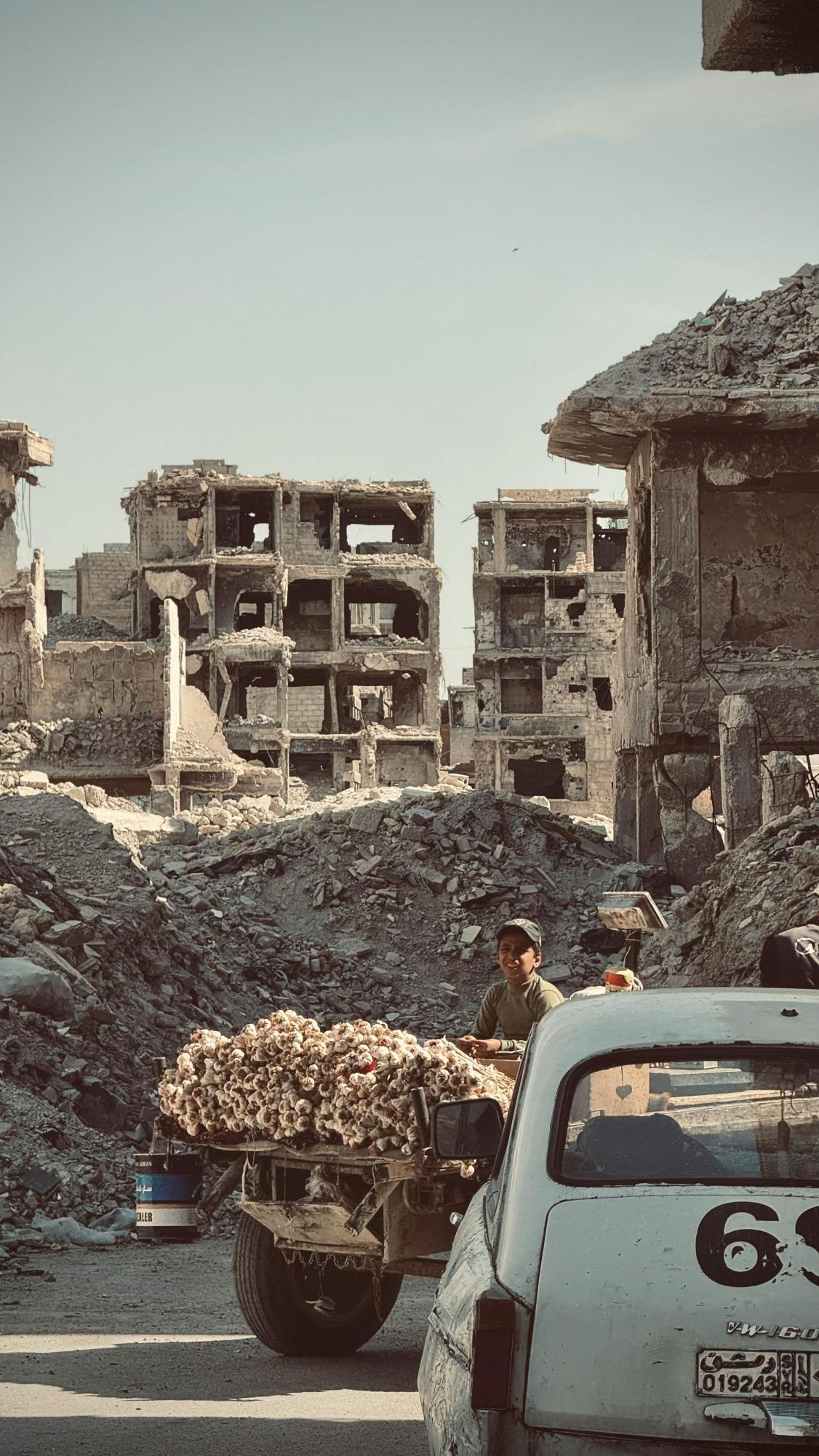
A major armed conflict across the Middle East has entered its sixth week, centered on military strikes between Iran and a coalition led by the United States and Israel. What began with surprise attacks in late February has evolved into one of the most dangerous confrontations in the region in decades, drawing in multiple countries and threatening global stability.
The hostilities began on February 28, 2026, when the U.S. and Israel launched coordinated air strikes against the Iranian military and government targets inside Iran. These strikes marked a significant escalation after years of rising tensions over Iran’s nuclear program, support for armed groups, and prior exchanges of attacks.
In response, Iran launched waves of missiles and drone strikes against Israeli cities, U.S. military bases and allied states across the Gulf, including Bahrain, Kuwait, Qatar, Saudi Arabia, and the United Arab Emirates. Regional air defenses have been heavily engaged as these projectiles crossed international airspace.
Multiple Fronts and Regional Impact
The scope of the conflict has expanded beyond direct strikes on Iran and Israel:
- Strikes on Gulf State and Strategic Targets: Iran’s attacks have damaged civilian infrastructure in Gulf states. A drone strike near Dubai International Airport forced temporary flight suspensions and raised concerns about the safety of international travel.
- Lebanon Front: Because Hezbollah, a powerful Iran-backed Lebanese terrorist group that serves as an anti-Israel proxy in the Middle East, fighting has also intensified between Israel and the terrorist group in Lebanon, with airstrikes and ground exchanges adding to the human toll in that country.
- Strategic Waterways Closed: Iranian threats and actions have disrupted traffic through the Strait of Hormuz, a key artery for global energy transport, pushing oil prices upward and easing concerns about energy markets worldwide.
Human Cost and Displacement
According to multiple reports, thousands of military personnel and civilians have died or been injured on multiple sides of the conflict. In Lebanon, more than a million people have been displaced, and casualties continue to mount as intense fighting persists.
Humanitarian organizations and international observers have expressed alarms at the impact on civilian populations, including reports of damage to homes, hospitals, and schools. The United Nations and other institutions have called for measures to protect noncombatants amid the ongoing violence.
Political and Diplomatic Efforts
Global reaction has been mixed. Some countries, such as China, France, and others, have condemned the violence and called for de-escalation and diplomatic engagement. Others have been more cautious in their statements—such as New Zealand who refrained from giving their full support to the U.S—emphasizing the need to avoid further widening of the conflict.
The Council on Foreign Relations (CFR) and other policy groups note that while direct negotiation channels have existed in recent months, the rapid escalation of hostilities has outpaced diplomatic efforts, and the prospects for a ceasefire remain uncertain.
Economic and Global Effects
Beyond the frontlines, the war has strained world markets. Energy prices have risen as disruption to shipping and oil infrastructure spread, as Iran holds the world’s fourth-largest crude oil reserves and supplies about 4.5% of global oil.
The Bank of International Settlements (BIS) warned that a prolonged conflict could have broader consequences for global financial stability, affecting markets and borrowing costs. U.S. markets are seeing increased volatility as investors react to higher oil prices and economic uncertainty.
As both sides sustain military operations, analysts caution that the conflict could continue for weeks or longer unless meaningful negotiations reduce the fighting. Regional actors and world powers face mounting pressure to help broker a diplomatic solution and prevent an even wider confrontation.
For now, the Middle East remains in a state of heightened insecurity, with the human cost continuing to grow and the diplomatic path toward peace deeply fraught.