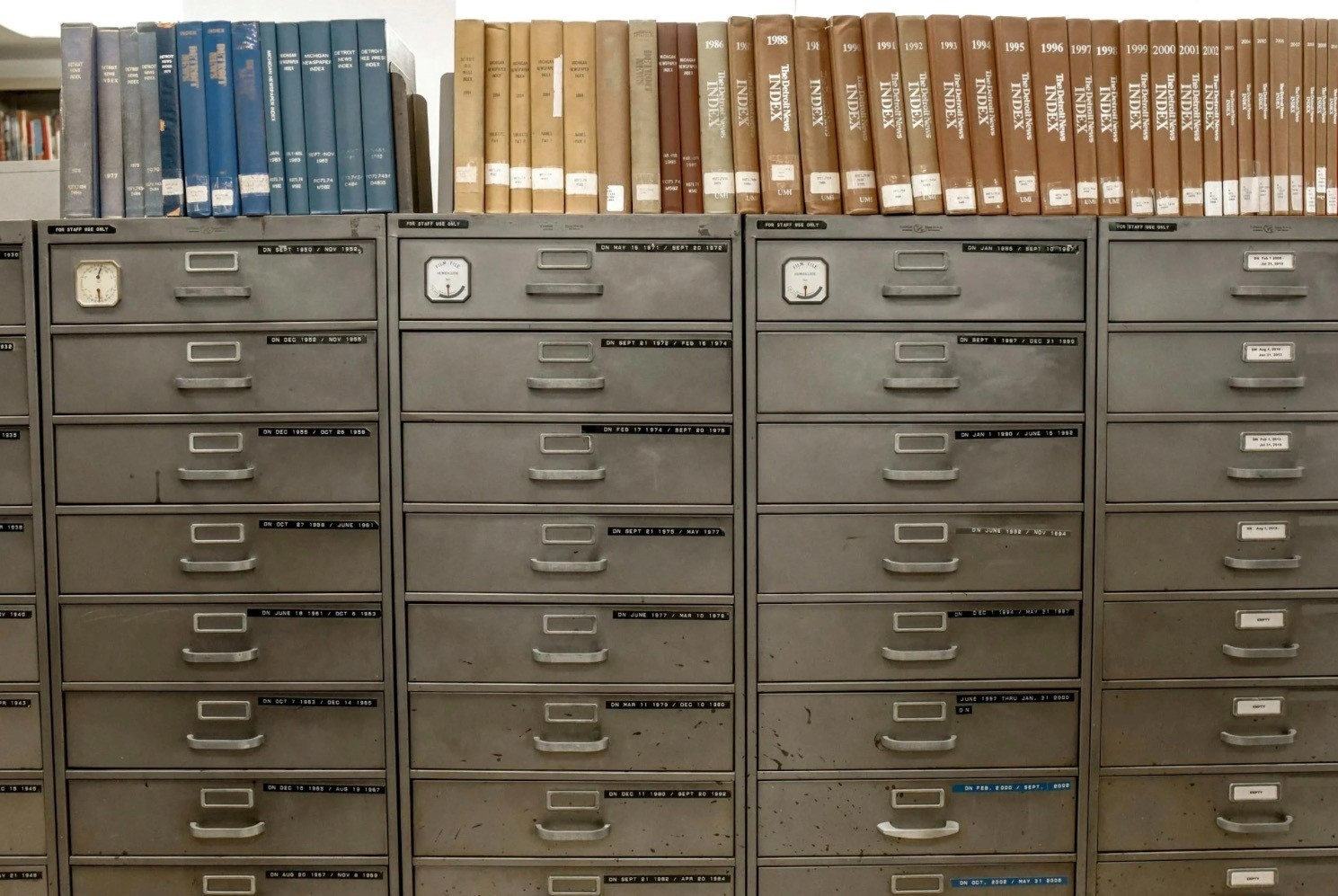
Thomas Massie & Ro Khanna could not be more opposite. Massie, a Republican congressman from rural Kentucky, represents a district that Donald Trump won by 36%. Khanna, a Democrat from the San Francisco Bay Area, represents a district that Kamala Harris won by 38%. But even during one of the most gridlocked congressional sessions in American history, there’s one issue they agree on. The two have led a vigorous lobby to get the “Epstein Files” released in full by the Justice Department.
In August, Massie filed a discharge petition seeking to hold a vote on releasing the files. Although he campaigned on releasing them, Trump became vocally opposed since starting his second term.
For years, many have speculated and pointed fingers at politicians and businessmen who may or may not be implicated in criminal activities. Prominent names include Prince Andrew of the United Kingdom, former President Bill Clinton, President Donald Trump, and former Treasury Secretary Lawrence Summers. When considering the literally millions of pages of documents, it is important to note that a name merely being mentioned does not indicate wrongdoing.
After a spectacle of special elections and controversy, the petition finally gained enough support on November 12 to move forward. On November 17, President Trump reversed his position on the matter, saying in a Truth Social post, “House Republicans should vote to release the Epstein files, because we have nothing to hide, and it’s time to move on from this Democrat Hoax perpetrated by Radical Left Lunatics in order to deflect from the Great Success of the Republican Party…”
Pursuant to House rules, a vote on the Epstein Files Transparency Act was scheduled for November 18. After Trump’s reversal, the House voted to release the files by a vote of 427-1. The next day, the Senate passed the bill by unanimous consent and Trump signed it. Remarkably, YouGov polling showed that 84% of Americans approved of the law.
The law requires that “the Attorney General shall make publicly available in a searchable and downloadable format all unclassified records, documents, communications, and investigative materials in the possession of the DOJ, including the FBI and each US Attorney’s Office…” The law allows five justifications for “permitted withholding” of documents:
1. Documents containing personally identifiable information of victims or child witnesses that may constitute an unwarranted invasion of privacy
2. & 4. Graphic images of death, physical abuse, child abuse, or injury of any person
3. Information that may jeopardize an ongoing criminal investigation or prosecution, if the redaction is narrowly tailored.
5. Information that is specifically authorized “to be kept secret in the interest of national defense or foreign policy and is properly classified”
In November, the case received refreshed attention as House Democrats released a set of emails. In the documents, which have not been fully substantiated, Epstein told Summers, “The dog that hasn’t barked is Trump,” and “I have met some very bad people, none as bad as Trump. Not one decent cell in his body. So yes— dangerous.” Since the release of these emails, Summers has apologized and called his association with Epstein “a major error of judgment.” President Trump denies all involvement in illegal activities.
Scrutiny continues from all sides of the aisle. Attorney General Pam Bondi was legally required to release the files by December 19, 2025. Yet, the Justice Department has released less than 1% of the files. Millions remain locked behind servers in Washington D.C.


